

Yes, I use Figma. Yes, I have mastered the Adobe Suite. Yes, I’ve had to dance through Jira, Trello, Asana, Notion, ClickUp, and half a dozen other tools that can help make things clearer. And yes, I know my way around all of them. But none of these are what I’d actually call my real tools.
The tools I rely on most are not downloadable. They don’t come with updates or pricing plans. They’re the things that shape how I approach a problem, how I organize chaos, how I move from friction to clarity.
I’ve been putting them into practice for years, but I only found the precise and simple language to name them after reading Adam Savage’s Every Tool’s a Hammer. Suddenly, things clicked. This section is about those tools. The real ones.
How I work
These are the tools I reach for first.
Before the software, before the screens.
The habits and methods that shape how I work, think, and make.
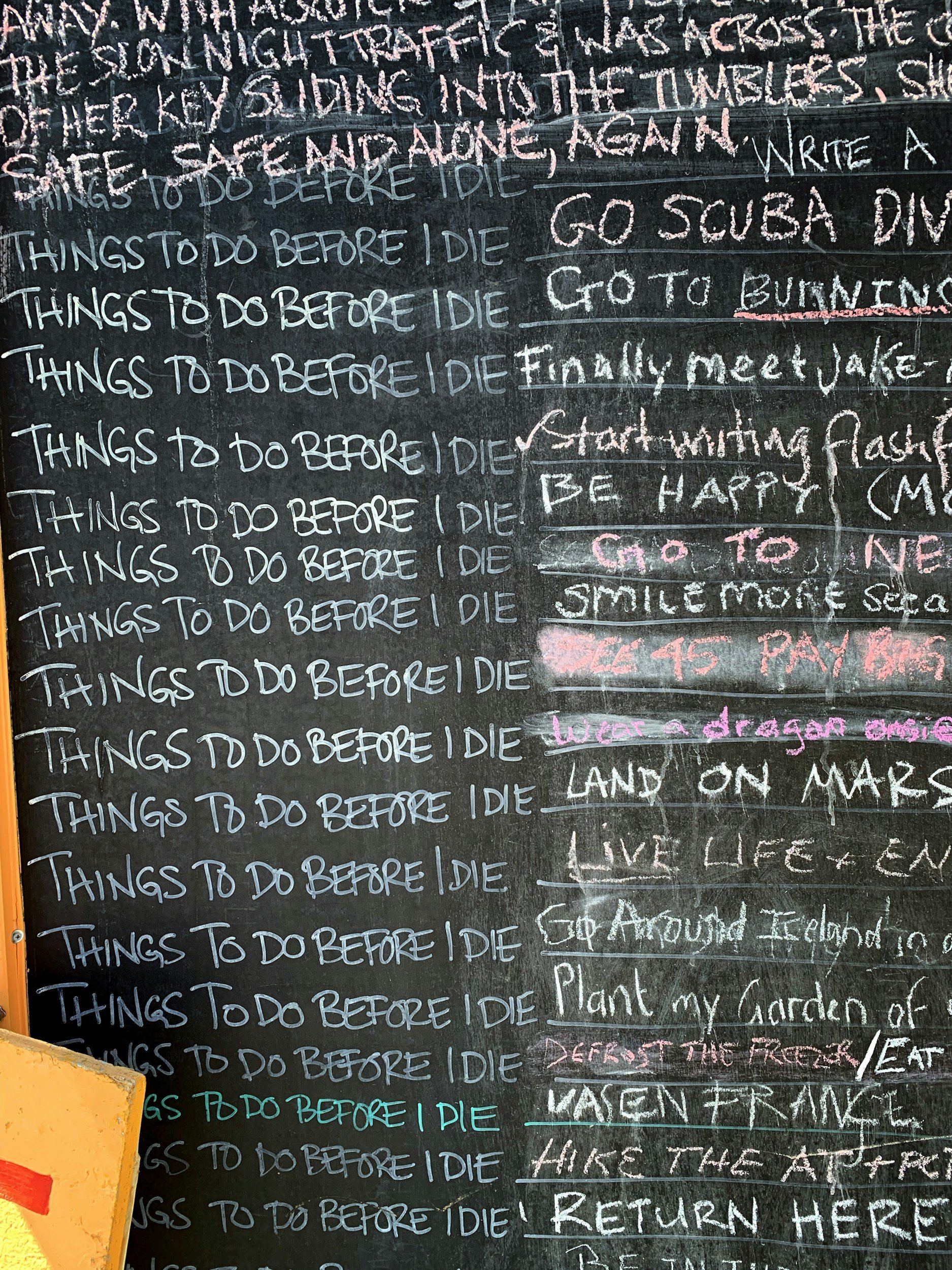
Tool One: Lists and Checkboxes
My brain works better when it can see the whole mess, clearly. Then, it’s put into order.
I make lists (yes, with pen and paper) at the start, middle, and end of almost every project. Not just to organize, but to think. To loosen the stuck parts. To break things down until they stop feeling impossible.
There’s always a brain dump first: a chaotic, uncensored pour of everything I can think of related to the given project. Then come the groupings: Big themes, then medium ones. What’s needed now, what’s needed later. It’s half sorting, half problem-solving.
Some lists help me decide what to do. Some help me figure out how to do it. Others just help me keep going. I track momentum with checkboxes. I know it sounds archaic, but sometimes that’s all I need to feel progress when the work slows down or feels stuck.
The beauty is in the repeat. Lists don’t just start a project, they accompany it. New ones show up every day: when something breaks, when the goal changes, or when I need to step away and come back with fresh eyes.
And when it’s time to get the project wrapped and done, there’s nothing like that last list, with all the checkboxes filled.
Tool Two: Addressing the work
I’ve learned the hard way that getting to work is not the same as being ready to work.
This tool is about orientation. Mental, physical, spatial. It’s the practice of pausing before you dive in, asking: Am I actually set up to do this well?
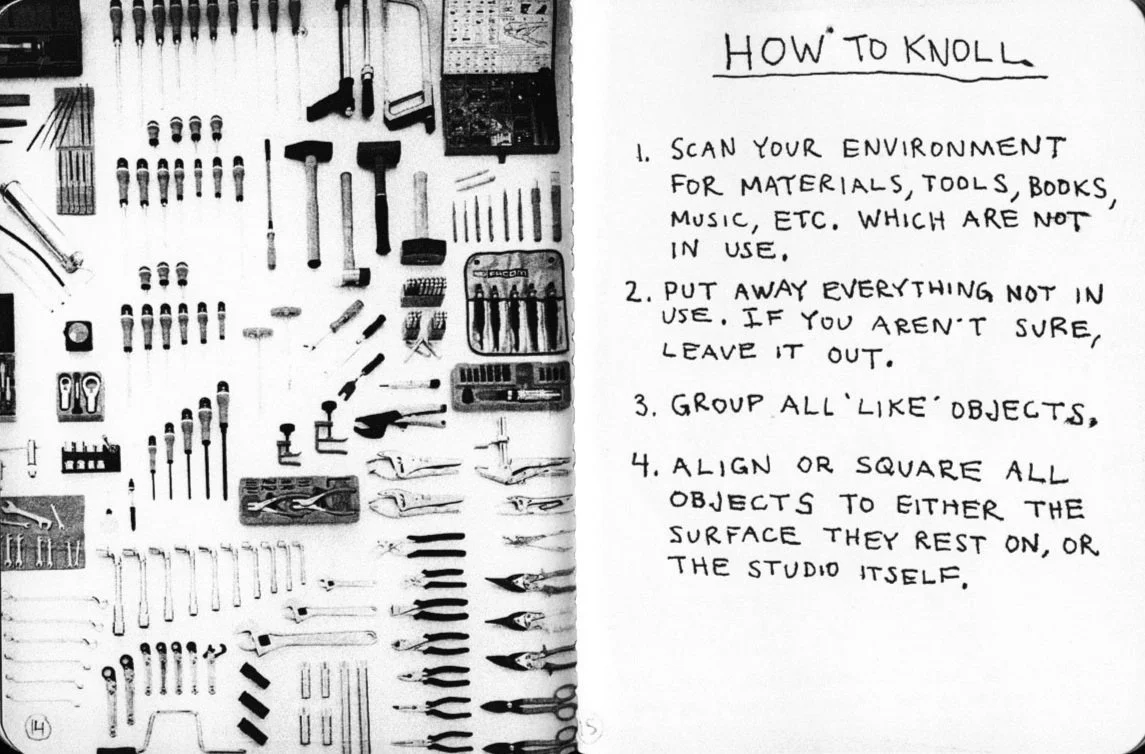
Sometimes it’s about moving closer to the work, literally. Clearing the table. Adjusting the chair. knolling all the items until the desk layout is just right.
Other times, it’s internal: breaking the momentum of impatience long enough to frame the task clearly before attacking it.
I didn’t always do this. I used to plow ahead. Finish fast, fix later. But the more complex the project, the more I’ve come to value the time spent preparing the ground. It saves hours. It saves energy. It makes space for better decisions.
There’s nothing fancy about this habit. No tricks. Just the discipline to look around and ask, “Am I addressing the work properly or just reacting to it?”
Tool Three: Drawing
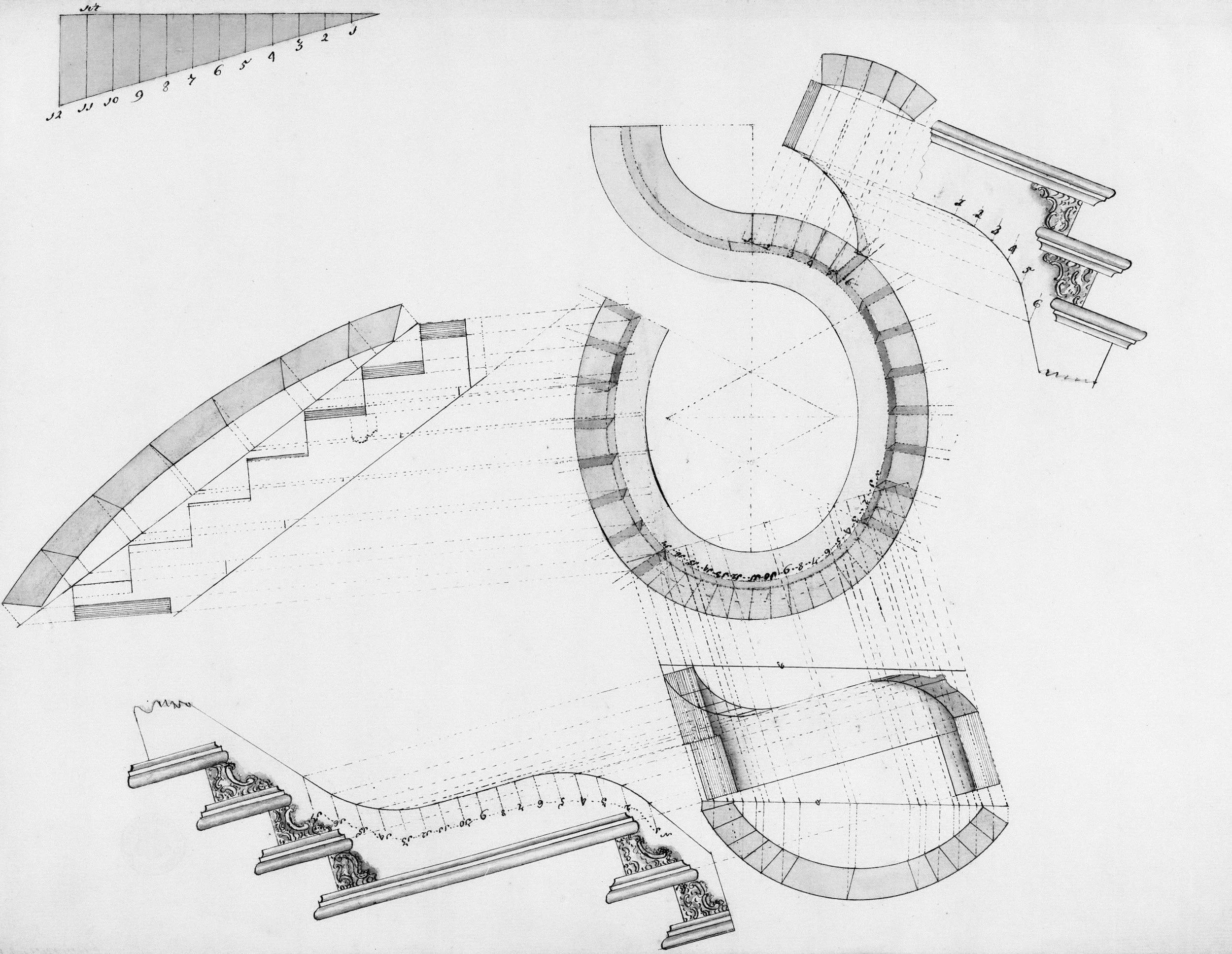
Drawing as a tool isn’t about making something look nice. It’s about making something make sense.
It’s one of the few tools that’s stayed with me from every discipline I’ve worked in. Since I was 14 working at my father’s wood shop, to the first years in design, computation, research, and all the corners of visual communication.
I draw to understand, to move, to explain, to get unstuck. Sometimes the sketch is a layout. Sometimes it’s a metaphor. And all of it counts.
Drawing as rendering
I don’t care if the lines are not straight. I draw to figure out what I’m trying to do. The goal is clarity. When I can picture something well enough to draw it, I can usually bring it to life. And when I can’t? That’s often the first signal that I don’t fully understand what I’m trying to make yet.
Drawing as momentum
When I’m stuck (and I do get stuck, everyone does.) drawing gets me moving again. It gives me a new angle on the thing. Sometimes I’ll draw what I’m making. Other times I’ll draw the thing next to it. Or the context it sits in. Or what it would look like broken. That’s often enough to snap out of the block.
Drawing as communication
I’ve worked with brilliant people who think nothing like I do. Which is great, until we try to explain things to each other. Drawing has saved so many meetings. So many misunderstandings. When words fail, sketches can land the idea without any drama. It gets everyone on the same page, even if the lines are wacky.
——
One of the clearest examples of this was during a software project I co-led for a hospital system. We had over 60 stakeholders involved — department heads, designers technical consultants, clinicians, IT staff. The project structure was a maze of responsibilities and dependencies, and we were spinning in circles trying to align everyone.
So I stopped talking and started sketching.
I drew a big diagram: one that mapped out every participant’s role, the layers of management, the feedback loops, and the critical handoffs between different modules. It wasn’t pretty. It looked like a weird family tree crossed with a circuit board. But it worked. People saw where they fit. They understood how decisions flowed. The moment we had that visual in front of us, the entire tone of the meeting shifted from confusion to clarity.
That’s what drawing does at its best when used as a communication tool. It translates complexity into something people can see. and once they can see it, they can work with it.
——
Drawing as ideation
Some of my best thinking shows up in the drawing after the thing is built. Redrawing the thing lets me ask better questions. Why this shape? Why not that? What else could it be? I’ve found real inspiration this way, in re-seeing my own decisions, on paper.